For many professionals, imposter syndrome is a quiet yet persistent challenge. It is the unsettling feeling of not belonging, of questioning your accomplishments even when success is evident. Within the Latino community, this struggle is often intensified by cultural expectations, systemic barriers, and the ongoing effort to embrace one’s full identity.
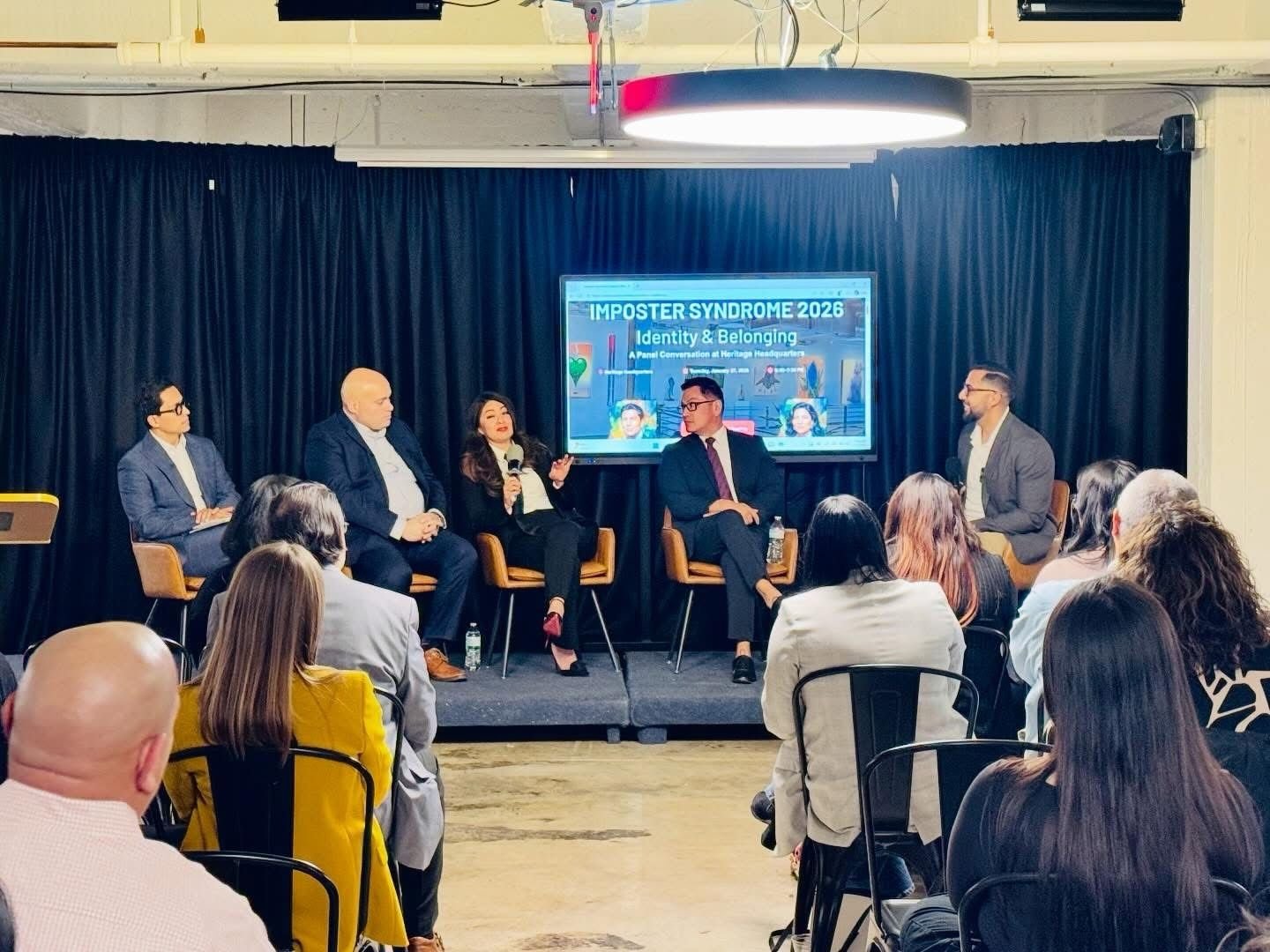
At Palabra Media, these realities were explored in a recent video discussion that brought powerful personal journeys to the forefront. The stories shared reveal how building confidence and embracing bicultural identity can transform self‑doubt into strength, inspiring professionals navigating uncertainty and striving for representation.
Understanding Imposter Syndrome
Imposter syndrome is not the same as humility. It is the belief that you do not deserve your place, even when your skills and achievements clearly prove otherwise. Many Latino professionals encounter this challenge when they are the first in their families to enter corporate spaces or when they face skepticism from peers who question their qualifications.
Common signs include:
- Persistent self‑doubt despite accomplishments
- Fear of being “found out” as unqualified
- Pressure to meet every criterion before applying for opportunities
- Isolation when representation is lacking in leadership roles
During a recent Palabra Media discussion, panelists emphasized that imposter syndrome does not simply vanish with success. Instead, it often remains a lifelong challenge that must be managed with intentional strategies. Resilience, mentorship, and cultural pride were highlighted as essential tools for navigating these feelings and transforming doubt into confidence.

Building Confidence in Professional Spaces
Panelists emphasized that building confidence is not a one‑time achievement but a lifelong practice. It requires intentional strategies to counteract self‑doubt and external negativity, especially in environments where representation is limited.
Practical approaches include:
- Use personal affirmations such as sticky notes, awards, or motivational quotes to reinforce self‑worth
- Seek mentorship from people who believe in your potential and help you recognize your own value
- Apply boldly without waiting until you meet every listed criterion, trusting that you can learn and grow into the role
- Surround yourself with supportive networks including colleagues, family, and peers who encourage growth
Building confidence means acknowledging that self‑doubt is common, but it does not define your worth or capability. As one speaker at Palabra Media expressed: “If not you, then who?” This reminder reframes responsibility as belonging, encouraging professionals to step into opportunities with courage and conviction.

Bicultural Identity as a Superpower
Rather than viewing bilingualism or cultural differences as obstacles, the speakers reframed them as powerful assets. Embracing bicultural identity allows professionals to move confidently between different worlds, bringing empathy, adaptability, and unique perspective to their work.
Key strengths of bicultural identity include:
- Strengthening leadership by fostering empathy and broadening perspective
- Enhancing communication skills through bilingualism, making professionals more versatile and effective
- Transforming cultural switching into an asset when integrated into professional identity
Far from being a weakness, bicultural identity is a superpower. It enriches storytelling, strengthens connections, and fuels innovation. By fully owning this identity, Latino professionals can dismantle the grip of imposter syndrome and demonstrate that diversity is not only valuable but essential for progress.
Why Representation Matters
Representation is more than visibility. It is validation. Seeing leaders who share your background makes it easier to imagine yourself in those roles. Whether through mentorship or advocacy, representation helps dismantle imposter syndrome and encourages the next generation to continue building confidence.
Key ways representation makes an impact:
- Role models expand imagination: “Representation matters. Seeing people who look like you opens your imagination to what’s possible.”
- Mentorship breaks cycles of doubt by uplifting others through shared journeys and guidance
- Advocacy creates systemic change by framing diversity as a business case that ensures broader acceptance
Representation is not just about individuals. It is about reshaping organizational cultures to value diversity as a driver of innovation, creativity, and long‑term success. By elevating voices and experiences, representation validates identity, strengthens belonging, and inspires professionals to step into leadership with confidence.

Practical Strategies to Overcome Imposter Syndrome
The panelists at Palabra Media offered practical and inspiring strategies for managing imposter syndrome while embracing identity and resilience. Their advice underscores the importance of intentional habits and community support in transforming self‑doubt into confidence.
Key strategies include:
- Identify and affirm strengths realistically and confidently, reminding yourself of the skills and achievements that prove your worth
- Use mental reminders and personal affirmations such as sticky notes, awards, or motivational quotes to reinforce belonging
- Embrace cultural identity and unique assets like bilingualism, recognizing them as advantages rather than obstacles
- Seek mentorship and be a mentor to foster collective uplift and break cycles of doubt
- Apply boldly for opportunities even without meeting every listed criterion, trusting your ability to learn and grow into the role
- Build a business case for diversity to advocate for inclusion and demonstrate its value to organizations
- Humanize and share your story to raise awareness, reduce stigma, and inspire others facing similar challenges
- Be persistent and resilient, understanding that imposter syndrome may not disappear entirely but can be managed with self‑awaren ess and support
These strategies remind us that overcoming imposter syndrome is not about eliminating doubt completely. It is about cultivating resilience, leaning on mentorship, and embracing cultural pride to step into opportunities with confidence.

Claiming Space with Confidence
The conversation makes one truth clear: imposter syndrome may never fully disappear, but it can be managed with resilience, mentorship, and cultural pride. By practicing building confidence, embracing bicultural identity, and uplifting representation, Latino professionals can redefine belonging and claim their rightful place in leadership.
The collective message from Palabra Media is a powerful call to action. Recognize your inherent value, apply for opportunities boldly, and uplift others along the way. Diversity is not only a matter of social justice. It is a business imperative that drives innovation, creativity, and long‑term success.
Join the conversation with Palabra Media. Share your story, connect with mentors, and be part of a community that celebrates resilience and representation. Visit Palabra Media to explore more discussions and discover how you can turn doubt into power.