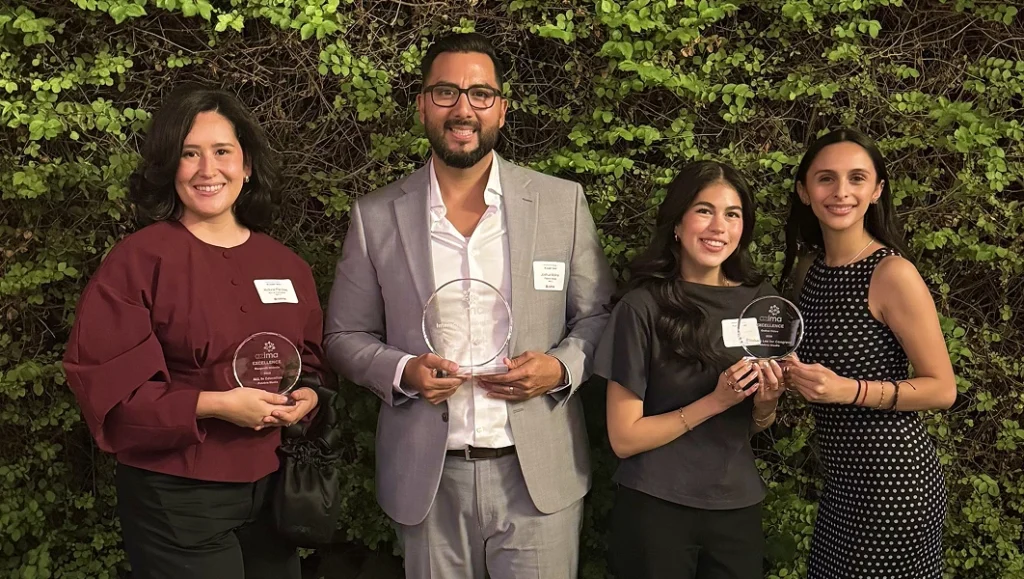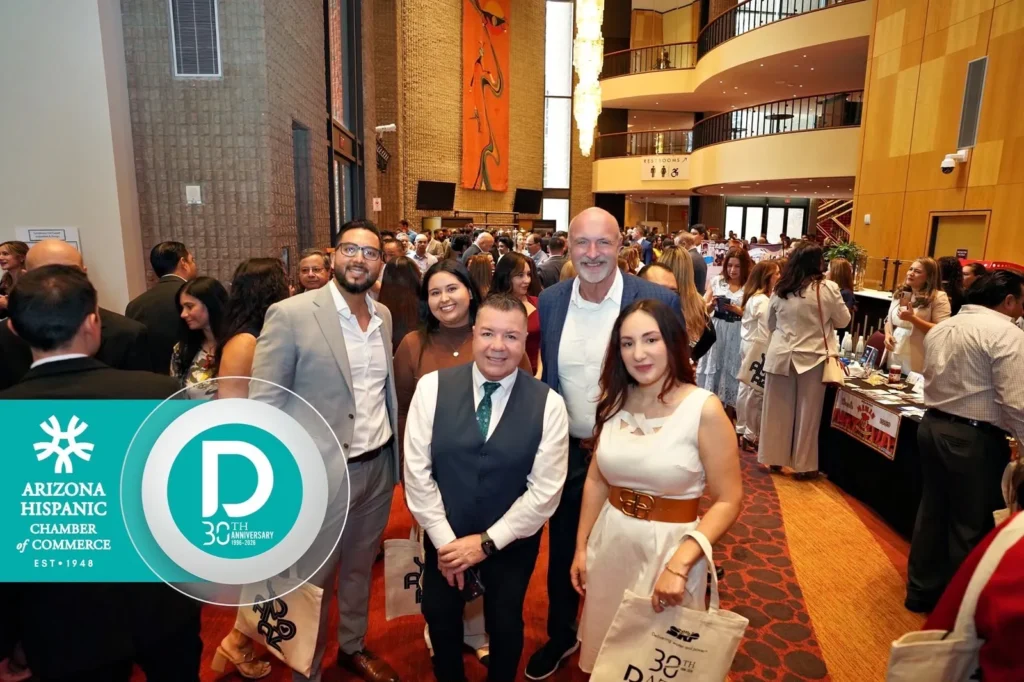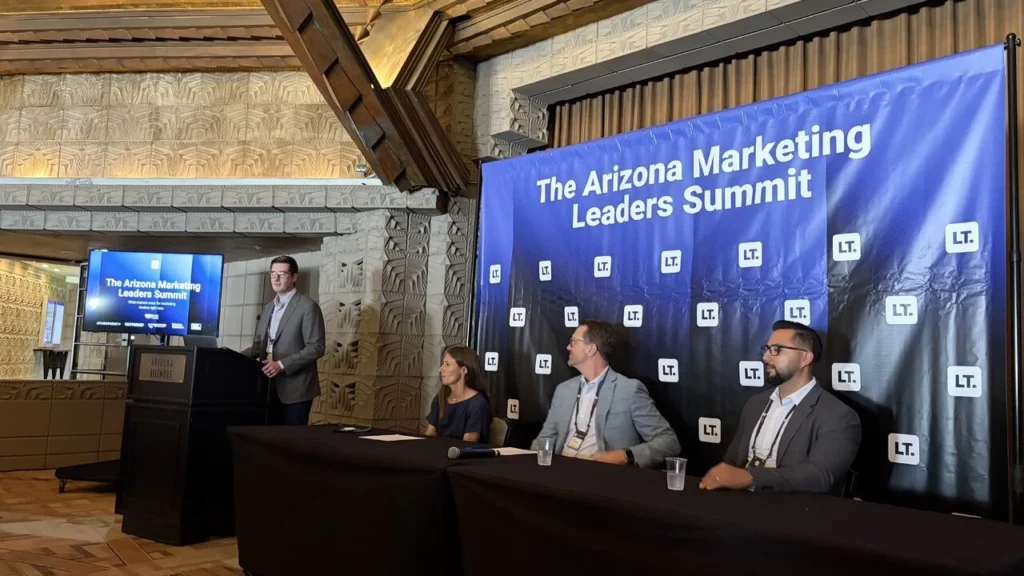
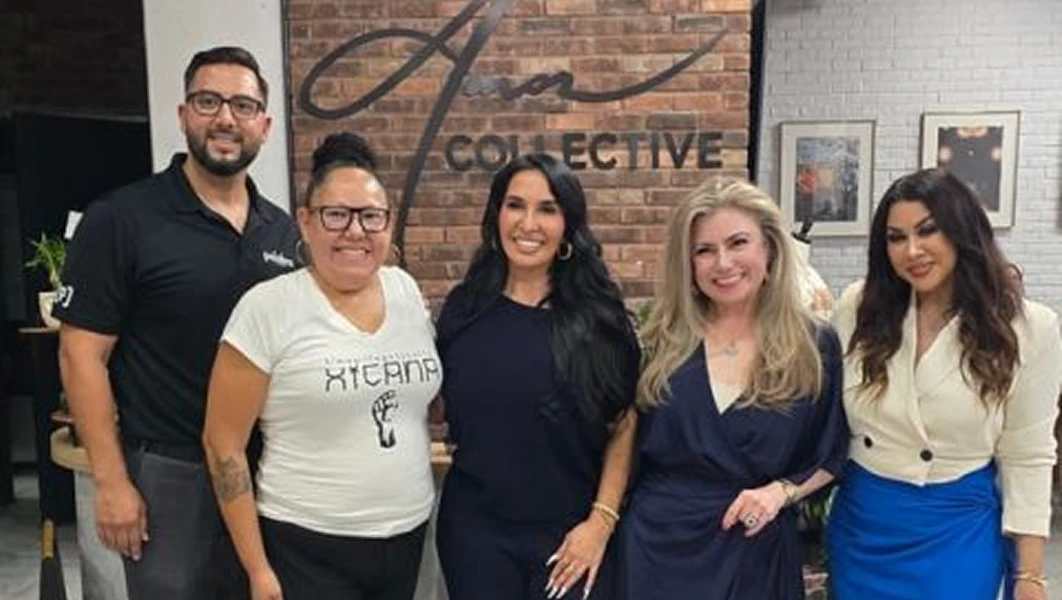
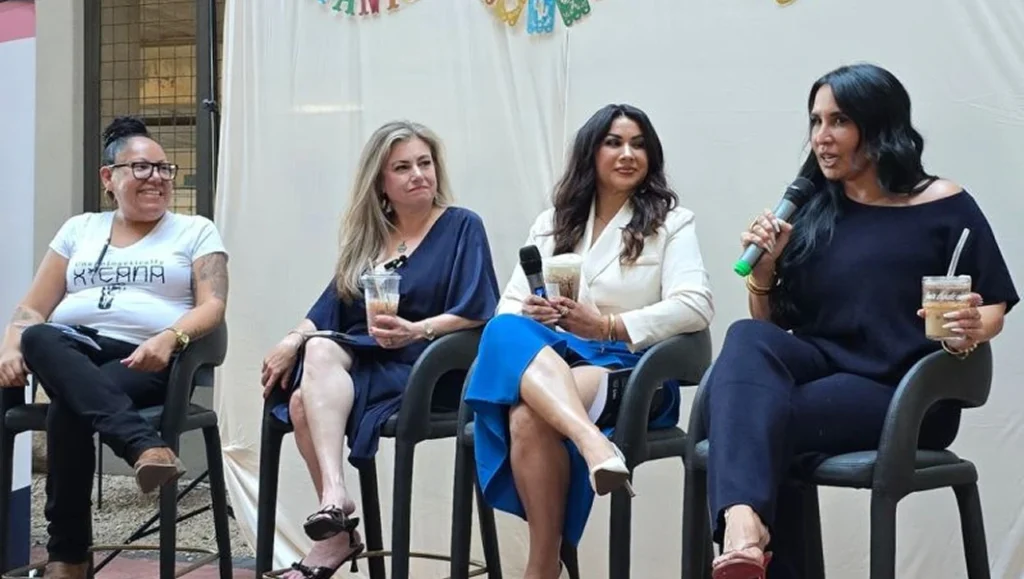
On October 1, I had the opportunity to deliver the opening remarks at Latinas in Tech Arizona’s Comunidad Con Café: Brewing Our Future at Fair Trade Café in Phoenix.
I brought more than 10 years of experience leading marketing teams in the technology industry into that conversation. I also brought a question that stayed with me throughout those years: Why were there so few people who looked like us in the rooms where decisions were being made?
Being part of this event gave me an opportunity to share what I had seen, why it matters to our communities, and how those experiences helped lead me to build Palabra Media, a multicultural marketing agency in Phoenix that provides digital marketing services for businesses and organizations that want to connect with diverse audiences. Representation is not only a workforce issue. It shapes the work we create and the people that work reaches.
What I saw during more than 10 years in tech
My career in technology gave me opportunities that changed my life. I worked with talented people, led teams, and learned how to help businesses reach customers around the world. I am grateful for those experiences.
But I also noticed the lack of Black and Latino representation, especially at the leadership level.
National workforce data provide context for those observations. The National Science Foundation’s Science and Engineering Indicators 2026, using 2023 data, reports that 20.6% of Hispanic workers and 19.4% of Black workers were employed in STEM occupations, compared with 26.5% of White workers. The same report shows that women held about 35% of STEM jobs, despite making up approximately 47% of the workforce covered by the analysis.[1]
These figures describe STEM occupations broadly, including science, engineering, related professions, and technical trades, rather than technology-company leadership specifically. Still, they show that participation in these career pathways remains uneven.
As I moved through my career, that absence became harder to ignore. Who was setting the strategy? Who was deciding where to invest? Who was being considered for the next leadership role? Too often, our communities were barely represented in those conversations.
I know there are talented Black and Latino professionals who are ready to lead. I have worked with them. The question is whether they are getting the same opportunities to demonstrate what they can do.
I also know the feeling of having to work twice as hard to earn the same recognition. Of watching peers move forward while you are still trying to prove you belong. Of wondering what else you need to accomplish before someone sees you as ready.
Too many people in our communities recognize that experience.
We should be able to acknowledge those barriers while also helping people navigate them. Telling someone to work harder only goes so far when they are already doing everything that has been asked of them.
The impact reaches beyond one career
When I think about representation in tech, I think about the families behind those careers.
The U.S. Bureau of Labor Statistics reports that the median annual wage for computer and information technology occupations was $109,470 in May 2025, compared with $50,980 for all occupations.[2] That is more than twice the national median. These are occupational medians, rather than a promise about what any individual will earn, but the comparison helps explain the economic stakes of access to these careers.
A well-paying job can help a family buy a home, send a child to college, pay down debt, or build savings. It can give someone the resources to start a business or support a parent. It can create a little breathing room in a household that has spent years just trying to keep up.
That income also moves through our communities. It supports local businesses, community organizations, and the people who depend on them.
When we are missing from those opportunities, our communities miss out on the economic benefits that come with them.
There is another consequence that is harder to measure but just as meaningful: what young people believe is possible for themselves.
Research suggests that many Hispanic adults recognize the importance of that visibility. In a 2022 Pew Research Center survey, 50% said young Hispanic people would be a lot more likely to pursue a STEM degree if they saw examples of Hispanic high achievers in STEM; another 31% said they would be a little more likely.[3] The survey measures people’s views rather than proving a causal effect, but it reinforces why visible role models matter to this conversation.
A student who sees a Latina leading a technology team has a real person to look to. Someone whose path they can learn from. Someone who may understand their family, their language, or the questions they are asking about their future.
For those of us who have reached leadership positions, it is worth remembering that someone may be looking at our careers and seeing a possibility they had never considered before.
Why spaces like Latinas in Tech matter
That is why I appreciated the opportunity to support Latinas in Tech Arizona.
Building a career can be difficult enough. It becomes even harder when you feel like you have to figure everything out on your own, or when you are regularly the only person from your community in the room.
Having people you can talk to makes a difference. People who can help you prepare for an interview, think through a career move, or decide how to advocate for yourself. People who understand why an opportunity matters to you and your family.
Organizations like Latinas in Tech help create those connections. They bring people together around shared experiences and a commitment to helping more Latinas succeed in the industry.
The women doing this work deserve support from people across the business community, including those of us whose careers have benefited from access to these same industries.
Showing up is one place to start. Continuing the relationship after the event is where we can do more.
We need sponsors who will speak up
Access to advice is valuable. Access to someone who will advocate for you can be just as consequential.
Catalyst’s 2025 research summary on workplace sponsorship explains that mentoring alone is insufficient to help women advance. It identifies sponsorship as a relationship in which an influential person helps someone secure visible assignments, promotions, or jobs.[4]
That distinction matters because career advancement depends in part on who knows your work and is willing to put your name forward.
A mentor can help you think through a challenge. A sponsor can put your name forward for an opportunity. They can recommend you for a promotion, introduce you to a decision-maker, or make sure your contributions are recognized in a conversation you were never invited to join.
That kind of support can change a career.
If we are in positions to hire, promote, recommend, or connect people, we have ways to act on this today. We can pay attention to whose work is being overlooked. We can broaden the people we consider for leadership. We can introduce someone to a contact who might otherwise be difficult for them to reach.
We can also be specific in our advocacy. Explain what someone has accomplished. Give them credit by name. Make a clear case for why they are ready for more responsibility.
We all know someone whose talent deserves more visibility. Helping that person move forward should be part of how we lead.
How representation shapes digital marketing services
These experiences are part of why I built Palabra Media.
I wanted to create an agency where our language, culture, and lived experiences would help shape the work from the beginning. Where understanding the Latino community would be central to the strategy and creative decisions we make.
During my years in marketing, I saw how much the people in the room influence the work that comes out of it. They determine which questions get asked, which assumptions get challenged, and which audiences get understood.
That applies to hiring and leadership. It also applies to how businesses communicate with the people they want to reach, and it is especially true of digital marketing services. Every website, social media campaign, paid ad, and video reflects decisions made by real people. If the team making those decisions does not understand the audience, the results often show it.
A message can be grammatically correct and still miss the audience. A campaign can look polished and still overlook something meaningful to the community. Knowing the language helps. Knowing the people, their experiences, and what matters to them helps us do better work.
Why a multicultural marketing agency starts with the people in the room
A multicultural marketing agency does more than translate. Translation moves words from one language to another. Multicultural marketing asks who the audience is, what they value, how they make decisions, where they spend their time, and what a business needs to do to earn their trust.
As a multicultural marketing agency in Phoenix, we help businesses and organizations build those connections. Our work depends on listening, understanding context, and bringing the right perspectives into the process. That is why representation and marketing are connected for me. The same gap I noticed in technology leadership can show up in a brand’s campaigns when the audience is only imagined from the outside.
Our digital marketing services are built around that idea. They include:
- Website creation and SEO: sites and content that are easy to find, easy to use, and written with the audience in mind.
- Social media and digital advertising: campaigns that speak to the community in the voice and context it recognizes.
- Multicultural marketing strategy: planning that reflects culture, language, and the realities of the audience.
- Video and digital content production: stories that connect with people and represent them well.
- Community engagement and media strategy: relationships that extend beyond a single campaign.
Each of these services depends on the same foundation: people who understand the community being served.

What to look for in a digital marketing company
Whether you are a business owner, a nonprofit leader, or part of a marketing team, the idea of representation can help you evaluate a digital marketing company. A few questions are worth asking:
- Who is shaping the strategy? Look for a team with real connections to the audiences you want to reach.
- Does the work start with listening? Strong campaigns begin with understanding the audience, not with a template.
- Is culture treated as a strategy, or as an afterthought? Language and cultural context should influence the message from the first draft.
- Is the company part of the community? Partnerships, events, and long-term relationships are signs that a company is invested beyond the project.
The right digital marketing company will not only help you reach more people. It will help you reach the right people in a way that feels credible and respectful.
Supporting Latinas in Tech Arizona is an extension of that commitment. We want to help elevate the people and organizations creating opportunities in our community, and help their work reach those who need to hear about it.
Continuing the work together
Thank you to the Latinas in Tech Arizona team, the panelists, and everyone who joined us at Fair Trade Café. I appreciated the opportunity to share my experience and support a conversation that deserves more attention.
I left thinking about the responsibility we have to one another.
For business leaders, that might mean taking a closer look at who has access to advancement within our organizations. For someone established in their career, it might mean making an introduction or advocating for a colleague. For a company, it might mean building an ongoing relationship with an organization like Latinas in Tech.
There are practical ways for each of us to help.
I look forward to more collaboration with Latinas in Tech Arizona and to helping open more doors for the people coming behind us.
If your business is ready to reach multicultural audiences with intention, our team at Palabra Media would be glad to talk.
Learn more about our digital marketing services at PalabraMedia.com.
Sources
[1] National Science Board. (2026). STEM Talent: Education, Training, and Workforce. Science and Engineering Indicators. National Science Foundation. Workforce demographics and participation, 2023. Figures TAL-2 and TAL-3; analysis covers employed civilians ages 25–75 and excludes those currently in primary or secondary school.
[2] U.S. Bureau of Labor Statistics. (2026). Occupational Outlook Handbook: Computer and Information Technology Occupations. May 2025 median annual wages.
[3] Pew Research Center. (2022, June 14). Many Hispanic Americans see more representation, visibility as helpful for increasing diversity in science.
[4] Catalyst. (2025, January 13). Catalyst sponsorship guide: Why sponsorship programs are important.